PCOS Weight Loss Tips That Actually Work (Backed by Science)
Polycystic Ovary Syndrome (PCOS) affects millions of women around the world and one of its most frustrating symptoms is unexplained weight gain or difficulty losing weight.
The hormonal imbalances caused by PCOS. such as high insulin and androgens, make weight loss harder but not impossible. Wih the right approach, many women successfully loss weight, balance hormones and regain energy.
Lets explore 6 PCOS weight loss tips that are proven to work – no starvation, no extremes.
1. Focus on a Low-Glycemic Diet
Women with PCOS are often insulin resistant, which causes sugar cravings and fat storage.
Eat foods that keep your blood sugar stable:
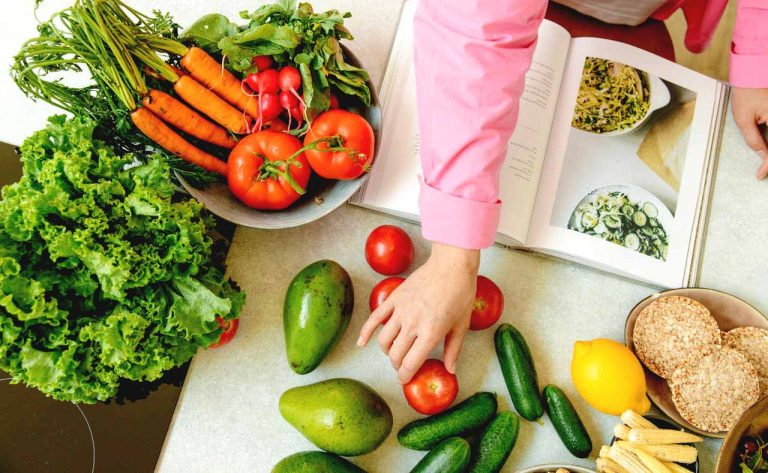
- Leafy greens
- Berries
- Whole grains (Quinoa, Oats)
- Legumes
- Lean protein (Chicken, Egg, Tofu)
Avoid:
- White bread, sugary snacks, soda, processed food
Pro Tips: Build your meals around protein + fiber + healthy fat for best results.
2. Don’t Skip Strength Training
Muscle helps burn more fat and strength training improves insulin sensitivity, which is key for PCOS.
Do strength exercises 3-4 times a week:
- Body weights (Squats, push-ups)
- Resistance bands
- Light weight or kettlebells
3. Manage Stress to Control Cortisol
Stress increases cortisol, which increases belly fat and worsens insulin resistance a double hit for PCOS.
Natural stress reducers:
- Yoga or stretching
- Guided Meditation
- Deep breathing
- Spending time outdoors
4. Prioritize Sleep (Seriously)
Poor sleep disrupts hormones that control appetite, fat storage, and blood sugar.
Aim for 7-9 hours of quality sleep per night
- Set a consistent sleep schedule
- Avoid screen before bed
- Try magnesium or herbal teas if needed
5. Consider Inositol Supplements
Inositol (especially Myo-inositol or D-Chiro-Inositol) has been shown to:
- Improve insulin resistance
- Support weight loss
- Improve ovulation and fertility in PCOS women
6. Be Consistent – Not Perfect
Weight loss with PCOS takes time. It’s not about perfection __ it’s about progress and hormonal healing.
Small changes, done consistently, matter more than extreme diets.
Avoid Crash diets, excessive cardio, or cutting out entire groups.