Natural Ways to Regulate Menstrual Cycles: Proven Tips for Women’s Health
Regular menstrual cycles are a common concern for many women. Stress, hormonal imbalances, poor nutrition, and life style changes can disrupt your period. While medication is an option, there are also natural methods to regulate your cycle effectively. In this article we’ll explore proven and safe ways to balance your hormones and restore regular periods.

1. Maintain a Balanced Diet
A healthy, nutrient-rich diet can support hormone production and keep your cycle regular.
- Include: Whole grains, fresh fruits, vegetables, nuts, seeds and lean proteins.
- Avoid: Excess sugar, processed food and trans fats.
- Key nutrients: Iron (Spinach, lentils), Vitamin B6 (bananas, chickpeas), Omega-3 fatty acids (salmon, flaxseeds).
2. Exercise Regularly (But Avoid Overtraining)
Moderate physical activity helps improve blood circulation and balance hormones.
- Best exercises: Walking, yoga, swimming, light strength training.
- Avoid excessive workouts as they can lead to missed periods (amenorrhea)
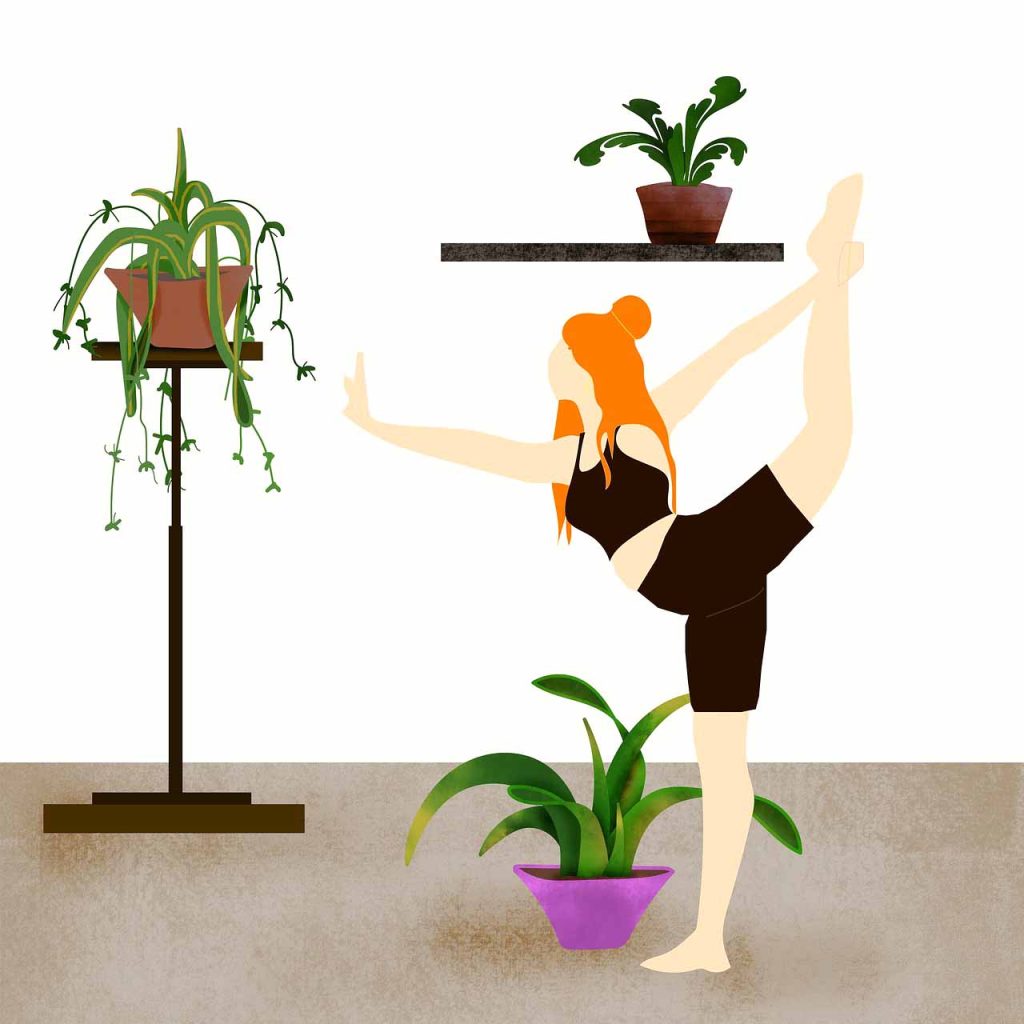
3. Manage Stress Effectively
Chornic stress affects your hypothalamus – the part of the brain that regulates menstrual cycles.
- Stress-reducing practices: Meditation, deep breathing, journaling aromatherapy.
- Adequate sleep: Aim for 7-9 hours per night to help your body recover.
4. Maintain a Healthy Weight
Being underweight or overweight can disrupt ovulation.
- Body fat affects estrogen levels, which play a key role in menstruation
- Aim for a healthy BMI and gradual, sustainable weight management.
5. Use Herbal Remedies (With Caution)
Some herbs may help support menstrual health.
- Ginger – May help reduce menstrual pain and regulate cycle.
- Cinnamon – Can improve blood flow and balance hormones.
- Vitex (Chasteberry) – Support progesterone productions.
6. Stay Hydrated
Water plays a crucial role in metabolism, hormone regulation and detoxification. Aim for 8-10 glasses of water daily.
7. Track Your Cycle
Use a menstrual tracking app or a simple calendar to monitor changes in your cycle. This will help identify trigger and patterns.
Final Thoughts
Regulating your menstrual cycle naturally takes time and consistency. With a balance diet, stress management and healthy lifestyle choices, you can support your reproductive health and maintain regular periods. If irregular cycles persist for more than three months, consult a gynecologist to rule out underlying condition.